
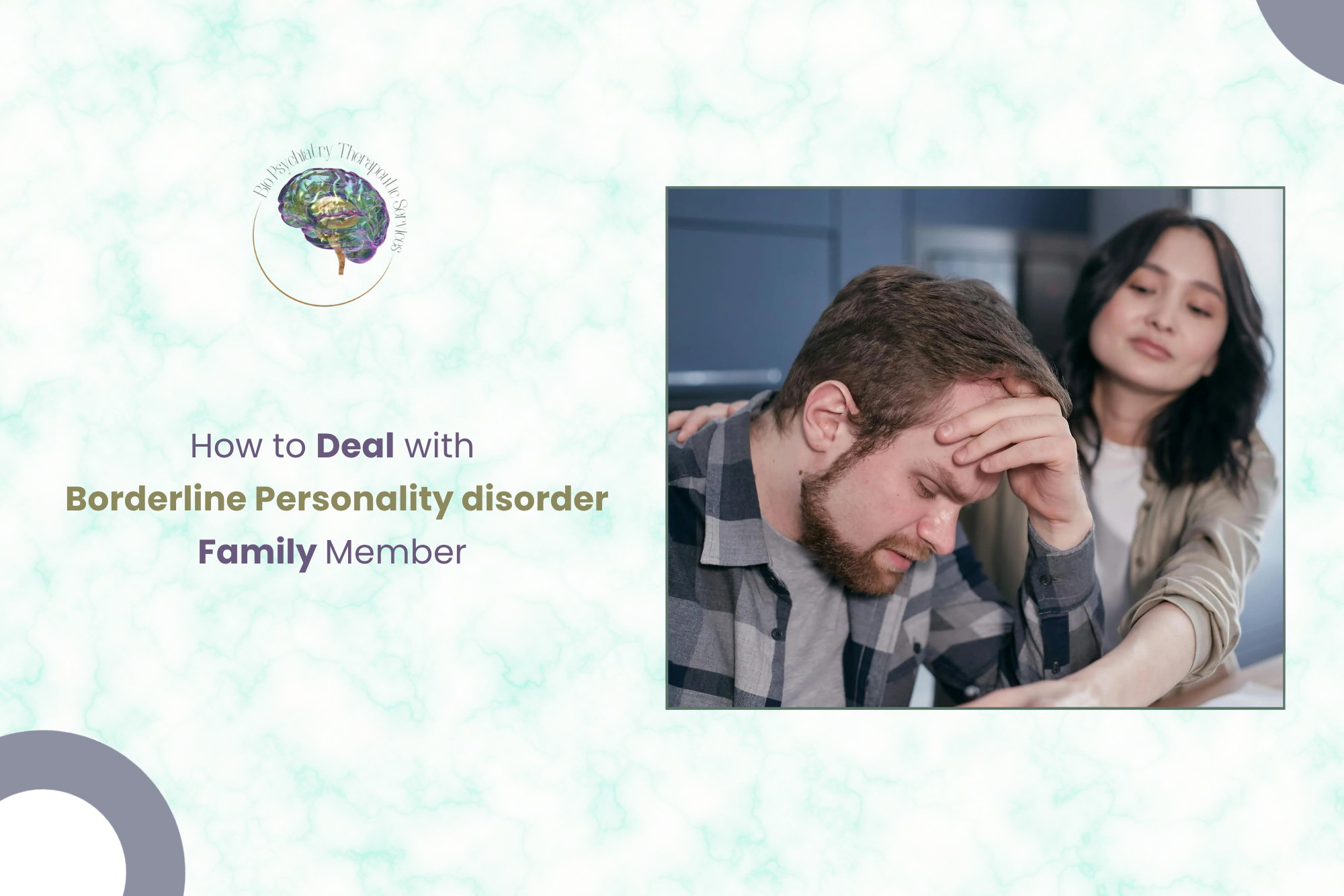
When a family member has Borderline Personality Disorder (BPD), daily life can be confusing and stressful. Emotions can change quickly and small things can cause big reactions.
At Bio Psychiatry Therapeutic Services, LLC, we work with families in a way to understand and effectively deal with these issues, safely and in a structured manner. Our goal is to bring peace, balance and healing to the whole family system.
Below, we will help you understand BPD and how to deal with borderline personality disorder family member.
What Is BPD Mean?
BPD refers to Borderline Personality Disorder, a mental health issue. About 1% of the United States population are diagnosed with it.
It influences how an individual:
- Experiences emotions
- Perceives themselves
- Relates to others
Individuals with BPD can experience intense emotions rapidly. They may also fear abandonment.
BPD is not the fault of the individual. It is a health disorder, similar to other physical ailments. Many find relief from symptoms through treatment.
Are People Born with BPD?
BPD is not something people are simply “born with.” Both genetics and environment play important roles.
These often include childhood trauma, unstable environments and emotional neglect. But not all trauma creates BPD. It’s an interplay between the biological and life experiences.
What Triggers BPD Episodes
Triggers are anything that invokes a strong emotional response. For individuals with BPD, even minor events can seem insurmountable.
Typical triggers may consist of:
- A sense of neglect or abandonment
- Unexpected changes to plans
- Feelings of rejection
- Miscommunication
- Critique or disputes
Identifying triggers can enable families to react more calmly and lessen emotional turmoil.
How Does BPD Affect Daily Life?
BPD can influence many aspects of life, such as:
- Erratic personal relationships
- Trouble managing emotions
- Issues at work or school
- Impulsive behaviors
- Intense anxiety about abandonment
But things can get better with help.
How to Deal with Borderline Personality Disorder Family Member?
Learn About the Condition
A crucial step is to educate ourselves about BPD. By understanding the disorder, we shift from blame to providing support.
Learning helps us see that emotional reactions are part of the condition. This makes it easier to stay calm during hard moments.
Set Healthy Boundaries
Boundaries help keep everyone safe. They are not punishment. They are safety tools.
Examples of healthy boundaries include:
- Speaking calmly and respectfully
- Taking a break when conversations become too heated
- Saying no when something feels harmful
- Not accepting verbal abuse
Boundaries help both sides feel more stable and safer.
Use Calm and Simple Communication
When speaking with a family member with BPD, we should use simple and calm words. Long explanations or arguments may increase emotional stress.
Helpful communication tips:
- Speak slowly and clearly
- Avoid blaming language
- Focus on feelings instead of fights
- Listen without interrupting
A calm voice can help reduce emotional tension.
Do Not Take Everything Personally
BPD may be accompanied by intense emotional responses, which may not always be related to them. Often, anger or sadness softens pain or fear from the inside.
We remind families that emotional reactions are symptoms, not personal attacks. This mindset helps protect your mental health.
Encourage Professional Treatment
BPD improves with proper care. Therapy and medication support can help manage symptoms and create stability.
Professional help may include:
- Talk therapy
- Emotional regulation training
- Medication when needed
- Family counseling
At Bio Psychiatry Therapeutic Services, LLC, led by Dr Vida Robb, we provide integrated care that addresses both the emotional and biological aspects of mental health.
Our approach includes:
- Personalized psychotherapy
- Expert medication management
- Individualized treatment planning
- Family education and support
Our borderline personality disorder specialists also help families build practical skills, including understanding triggers, improving communication and setting healthy boundaries.
Take Care of Your Own Mental Health
Helping someone with BPD can be hard. This can lead to burnout. You also need care.
Self-care includes:
- Getting enough rest
- Talking to supportive friends
- Taking breaks when needed
- Seeking therapy for yourself
You cannot support someone else well if you are emotionally drained.
Is BPD Dangerous to Others?
One prevalent misconception is that people with BPD are potentially dangerous. Most emotional upset is inwards rather than outwards.
While impulsive behaviors may occur during emotional crises, violence toward others is not a defining feature of BPD.
The condition is more closely associated with internal emotional pain, fear of abandonment and difficulty regulating emotions.
Can Men Have Borderline Personality Disorder?
Yes, men can have BPD. It’s often underdiagnosed in them. This happens because of social stigma and how they express emotions differently.
Men often display behaviors like anger or substance use. This can result in misdiagnosis.
Awareness is increasing, but gender bias still impacts diagnosis rates.
When To Seek Professional Help
It is important to seek help when:
- Emotional outbursts become frequent
- Communication breaks down often
- Family stress feels too heavy
- Safety becomes a concern
- Daily life feels unmanageable
Early help can reduce emotional trauma and aid recovery.
Final Thoughts
Learning how to deal with borderline personality disorder family member is not easy, but you do not have to face it alone. With the appropriate treatment, families can gain trust and develop healthier relationships.
At Bio Psychiatry Therapeutic Services, LLC, led by Dr Vida Robb, we help families regain balance. Through expert care and personalized treatment, we work to return the patient to safe ground through expert care and treatment tailored for them.
When your family faces BPD difficulties, you will need to start making the next step.Call today to create a happier, healthier and more connected family!
FAQs
What is self-destructive BPD behavior?
Self-destructive BPD behavior includes impulsive decisions and risky actions to cope with emotions.E
Can stress make BPD symptoms worse?
Yes, stress triggers intense emotional reactions and impulsivity.