Family relationships are among the most significant relationships that people possess. They are also among the most complex. The closeness that makes them meaningful is the same closeness that makes conflict within them land so hard.
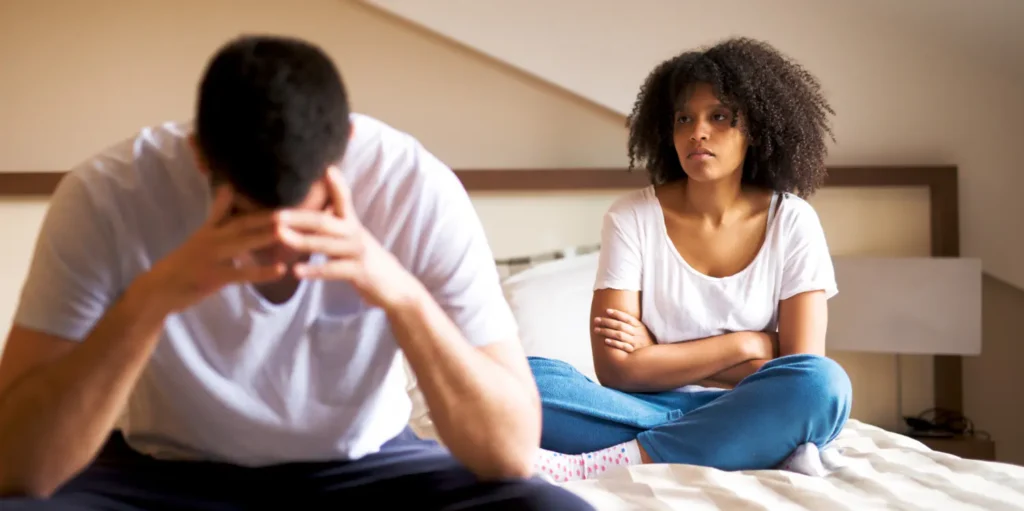
Family conflict is not always loud. At times, it is a trickle of unspoken things that finally cause being in the same room to become untenable. At times, it is but a single incident that shattered something fragile long before.
Either way, it makes casualties of everyone involved, including those who aren’t even technically part of the argument but find themselves in the thick of it.
It shows up in a lot of different ways across different kinds of families and different stages of life:
These situations rarely have a single villain. Most of the time everyone involved has a legitimate perspective and legitimate pain, and the conflict exists because those things have never been given a proper channel.
Family conflict knows no bounds. It follows people to work. It disrupts sleep. This results in chronic stress, which harms the body in the long run. So kids often grow up inside an ongoing conflict between family members, which can lead to anxiety, depression, and behavioural issues that seem completely unconnected until someone starts looking.
Many times, healthy adults were raised in high-conflict homes – and carry over those patterns unknowingly into their own relationships. The biggest part of changing those patterns is knowing where they came from.
Individual Psychiatric and Therapeutic Care
Working with one person rather than the whole family unit is sometimes the most useful starting point. Even if no other family member ever gets involved with care, individual sessions create the opportunity to process what is going on, learn more about oneself and one’s patterns and reactions, and establish the tools for engaging differently.
Psychiatric Evaluation
Having a person in the family with an undiagnosed or untreated mental health condition especially dominates the family conflict. Depression, anxiety, ADHD, substance use, and personality disorders. The home is often transformed as soon as the underlying cause is accurately identified and treated.
Medication When Appropriate
For individuals where a diagnosable condition is contributing to the conflict or to their ability to cope with it, medication can be part of a broader care plan. As always, that is a collaborative decision made with full information.
Skill Building
Much of family disharmony boils down to communication practices learnt and solidified over decades. They can contain practical work around how to deliver difficult things without igniting defensiveness, and how to establish boundaries that stick.
People in family conflict almost always want someone to validate that they are the reasonable one. That is human. But the clinical goal is not to assign blame. It is to help each person understand their part in the dynamic, which is the only part any individual actually has the ability to change.
Progress in family conflict does not always mean reconciliation. Sometimes it means getting clear on what a person needs to protect their own mental health, even if that includes more distance from certain family members. Both outcomes are valid depending on the situation.
All care at Bio Psychiatry Therapeutic Services, LLC is available via secure telehealth. For people navigating difficult family situations at home, being able to attend appointments privately and without travel logistics is genuinely useful.
Family conflict is one of those things people often wait too long to get support for, partly because it feels too personal, partly because it involves other people who may not want help, and partly because it is hard to know where to even start.
Starting with one appointment is enough. Reach out to Bio Psychiatry Therapeutic Services, LLC and take it from there.
What if the other people in my family refuse to get help?
That happens a lot. And quite frankly, personal care is still worth doing. And even if others are not around, simply having one family member deeply change their responses and interactions for the better shifts things! You only have your side of it to work on, but your side carries more weight than you may feel in this moment.
Is this the same as couples therapy or family therapy?
Not exactly. The focus here is individual psychiatric and therapeutic care. That said, many people come specifically because of what is happening within a relationship or family, and sessions address that directly. If a different format would serve better, that will be an honest conversation.
Bio Psychiatry Therapeutic Services LLC © 2026: All Rights Reserved.