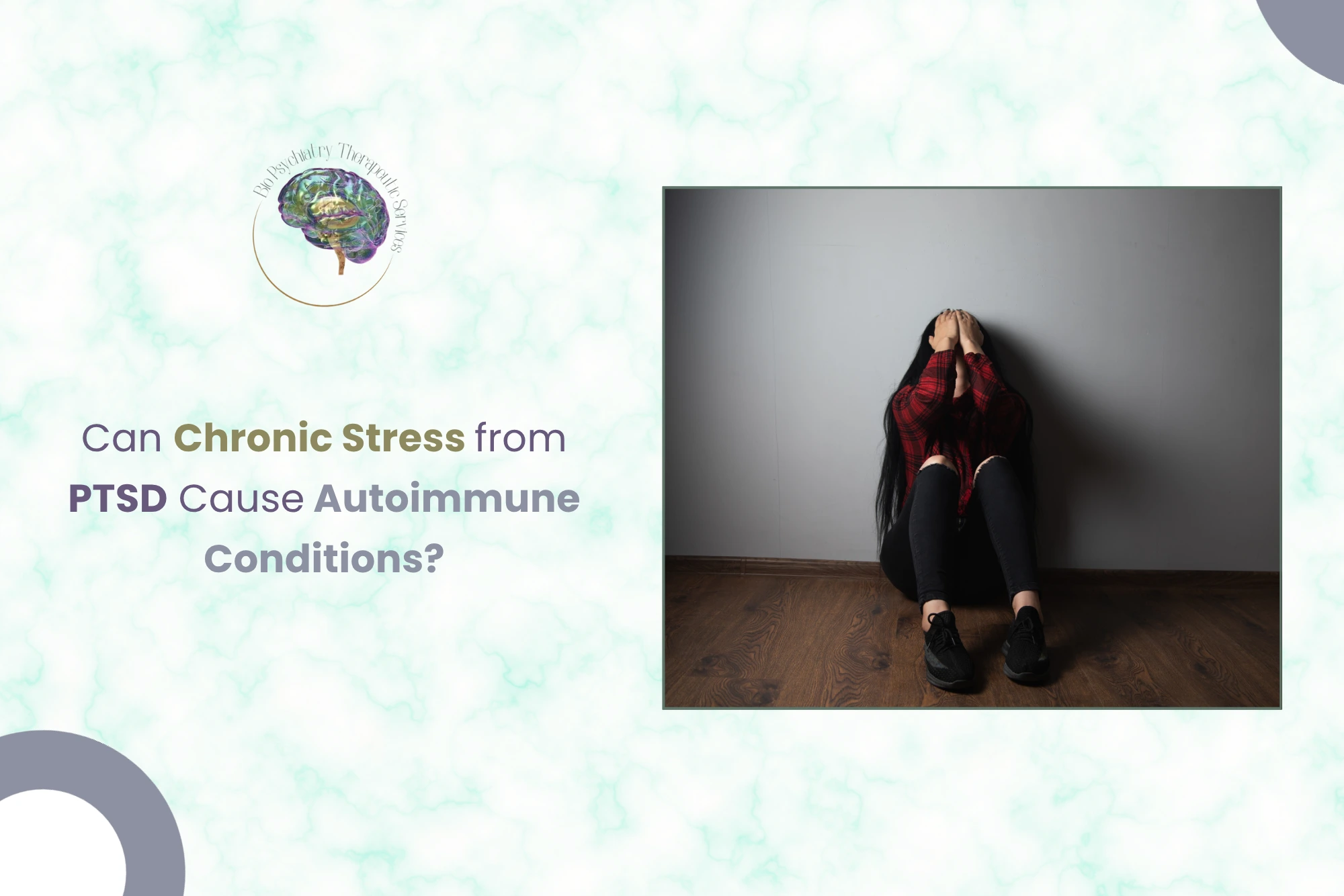
Have you ever felt very stressed out? Everyone feels stress sometimes. A little bit of stress is normal. It happens when you are late for school or work. It happens when you have a big test. When we consider the various stress kinds that affect us, we realize that a little pressure is normal, but what happens when that stress never goes away?
Some people carry a very heavy load of stress every single day. This happens a lot to people who have PTSD. PTSD stands for Post-Traumatic Stress Disorder. It is a big feeling of fear that stays after a very scary event, which perfectly illustrates the true traumatized meaning.
Bio Psychiatry Therapeutic Services, LLC provides client-centered telepsychiatry services for individuals to support chronic stress, the mental health challenges of PTSD and more. We want to promote emotional wellness and quality of life.
But can chronic stress from PTSD cause autoimmune conditions? Let’s explore it.
Understanding PTSD and Chronic Stress
PTSD can happen to you after a very scary or dangerous thing happens. A person may have:
- Intrusive memories or a flashback
- Nightmares
- Hypervigilance
- Difficulty sleeping
- Emotional numbness
- Irritability
- Feeling constantly on edge
In chronic PTSD, the body may remain in danger mode. It excretes stress hormones like cortisol and adrenaline. Over a long period, this can result in a depressed immune system.
What Is an Autoimmune Condition?
An autoimmune disease occurs when the immune system mistakenly attacks healthy tissues. Instead of protecting the body from germs, it targets the body itself.
Common autoimmune conditions include:
- Rheumatoid Arthritis
- Lupus
- Multiple Sclerosis
- Hashimoto’s Thyroiditis
- Psoriasis
- Inflammatory Bowel Disease
These conditions can cause pain, fatigue, inflammation and long-term health complications.
Can PTSD Increase the Risk of Autoimmune Conditions?
Research suggests there may be a connection between chronic stress from PTSD and a higher risk of developing autoimmune diseases.
With prolonged stress, the body secretes an excess of stress hormones like adrenaline and cortisol. These hormones help us in a crisis. If they stay high for months or years, they can change how immune cells work.
Over time, the immune system may become unbalanced. There is an increase in the activity of some parts and a decrease in the activity of other parts. The imbalance could result in inflammation in the body, which can create the potential for autoimmune disease for some people.
Not everyone who develops PTSD will get autoimmune disorders. Instead, it may be a contributing factor along with other factors like infections, hormones and a person’s genetics.
How Chronic Stress Affects the Immune System
Long-lasting stress influences several important body functions.
Increased Inflammation
When stressed, inflammation chemicals in the body can be elevated. Inflammation helps rid the body of germs and injuries, but over extended periods can cause damage to actual healthy tissue.
Hormone Changes
The body’s stress hormones help cope with the demands of daily life. Constant stress can throw their normal balance off and make self-regulation of the immune system more difficult.
Poor Sleep
Having trouble sleeping and nightmares are common symptoms of PTSD. A deficiency in quality of sleep will result in improper repair of the immune system and also make it more challenging to keep up with the performance of the immune system.
Changes in Gut Health
There are numerous immune cells within the digestive system. Chronic stress could alter the gut’s normal bacterial balance, causing immune reactions throughout the body.
Lifestyle Challenges
People with PTSD often struggle to exercise, cook healthy meals, or keep daily routines. Frequent PTSD triggers can raise anxiety and emotional pain, making it even harder. These challenges can further affect physical health and immune function.
Common Signs That Need Medical Attention
If you are trying to figure out how to tell if you have stress that is manifesting into a physical health issue, listening to your body is the first step. If you have PTSD and you notice new health problems, do not ignore them.
Possible warning signs include:
- Ongoing joint pain
- Unexplained fatigue
- Muscle weakness
- Skin rashes
- Frequent swelling
- Digestive problems
- Persistent fever
- Numbness or tingling
- Hair loss
- Dry eyes or dry mouth
These symptoms don’t always indicate an autoimmune condition, but a healthcare professional should evaluate them.
The Importance of Early PTSD Treatment
Treating PTSD does more than improve emotional well-being. It may also help reduce long term physical stress on the body.
Effective PTSD treatment may help:
- Reduce stress hormone levels
- Improve sleep
- Lower anxiety
- Increase emotional resilience
- Support healthier daily routines
- Improve overall quality of life
While treatment cannot guarantee prevention of autoimmune disease, it may reduce some of the chronic stress burden on the body.
At Bio Psychiatry Therapeutic Services, LLC, we provide client-centered telepsychiatry services for children, teens, adults and older adults. We understand that PTSD can affect every aspect of life, including emotional health, relationships, work and physical wellness.
Our services include:
- Comprehensive psychiatric evaluations
- Specialized clinical screening, including an emotional trauma test when appropriate
- Medication management
- Therapy sessions
- Personalized treatment planning
We work with each client to create a plan that fits their unique needs and goals.
Simple Ways to Reduce Chronic Stress
Alongside professional treatment, small daily habits can help support recovery:
- Maintain a regular sleep schedule
- Practice deep breathing exercises
- Stay physically active
- Eat balanced meals
- Limit alcohol and substance use
- Stay connected with supportive people
- Seek professional mental health care when symptoms persist
These steps may help calm the nervous system and improve overall well-being.
When Should You Get Help?
Talk to a mental health professional if you have:
- PTSD that does not get better
- Strong worry or panic
- Trouble sleeping
- Trouble at school, work, or home
- Feeling upset most days
- Physical symptoms worsened by stress
Early help makes a big difference.
Take the First Step Toward Healing
Chronic stress from PTSD can affect both mental and physical health. Growing studies show that long-term stress can weaken your immune system. It may also raise the chance of some health problems.
The good news is that help is available. With the right care, many people learn to feel calmer, handle stress better and enjoy life again.
Get Support
Are you ready to feel better?
At Bio Psychiatry Therapeutic Services, LLC, we care about you. We help people with PTSD, stress and other mental health issues through online care.
Contact us to schedule an evaluation and start healing.
FAQs
Can PTSD weaken or overactivate the immune system?
Yes. PTSD alters immune regulation, causing chronic inflammation and changes in immune cell function.
Does everyone with PTSD develop autoimmune diseases?
No. Most do not. PTSD is a risk factor, not a direct cause.